What is Web Development?
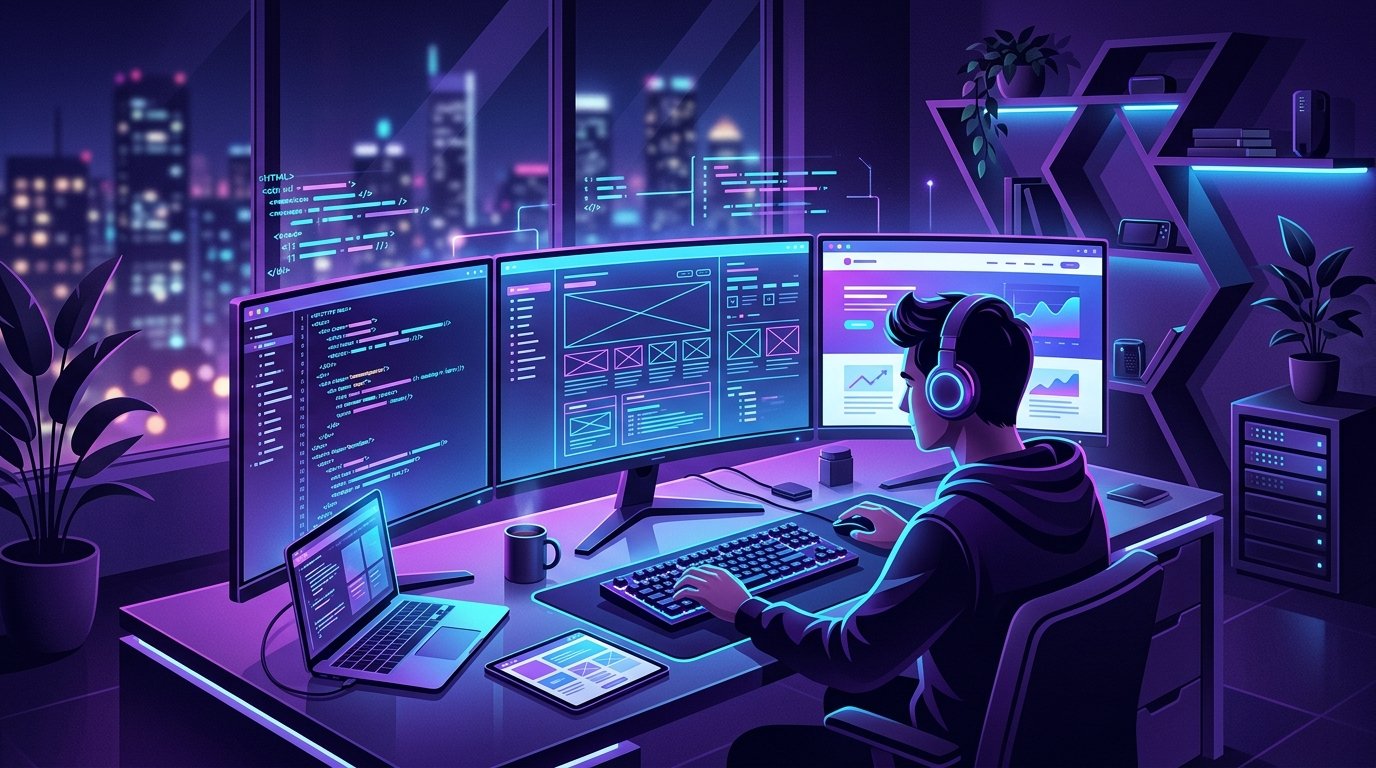
Web development is the comprehensive process of creating, building, and maintaining websites and web applications that run online on a browser. It encompasses everything from constructing plain text pages to developing complex web-based internet applications, electronic business applications, and social network services. For businesses in 2026, web development is not just about having a digital presence; it is the fundamental architecture that dictates user experience, search engine visibility, performance, and digital growth.
In today's digital-first economy, a business's website acts as its primary storefront, customer service representative, and sales engine. Professional web development ensures that this digital asset is secure, fast, scalable, and optimized for both human users and AI-driven search engines (AEO).
The Three Pillars of Web Development
Understanding the structure of web development requires breaking it down into three distinct areas of specialization:
1. Frontend Development (Client-Side)
Frontend development involves constructing the user interface—everything a visitor sees and interacts with. Utilizing HTML, CSS, and modern JavaScript frameworks (like React, Vue, or Angular), frontend developers ensure that the website is visually engaging and highly interactive. A flawless frontend is critical for website design execution, ensuring that the creative vision translates into a usable, bug-free reality.
2. Backend Development (Server-Side)
Backend development is the invisible engine that powers the website. It handles server configuration, database management, and application logic. Using languages such as PHP, Node.js, Python, or Ruby, backend developers create the infrastructure that allows a website to process transactions, manage user accounts, and serve dynamic content seamlessly.
3. Full-Stack Development
Full-stack development bridges the gap between frontend and backend. A full-stack developer understands how the server interacts with the database and how that data is presented to the user. For businesses, full-stack expertise often results in faster development cycles and cohesive architectural decisions.
Why Professional Web Development Matters in 2026
The standards for business websites are higher than ever. Here is why professional web development is indispensable for modern enterprises:
Responsive and Mobile-First Development
With mobile devices accounting for the vast majority of web traffic, responsive development is mandatory. A professional web developer ensures that a website adapts flawlessly to any screen size, device orientation, and platform. Mobile-first development prioritizes the mobile experience, which aligns with Google's mobile-first indexing, directly impacting your search rankings.
Performance and Speed Optimization
In 2026, users expect instantaneous load times. Slow websites suffer from high bounce rates and abandoned carts. Professional developers implement advanced performance strategies, such as server-side rendering, asset minification, lazy loading, and edge caching (CDNs), to guarantee lightning-fast experiences that keep visitors engaged and converting.
Robust Security Protocols
Cyber threats evolve continuously. A poorly developed website is vulnerable to data breaches, DDoS attacks, and cross-site scripting (XSS). Professional developers adhere to strict security standards, implementing secure authentication, HTTPS/SSL encryption, parameterized database queries, and continuous security auditing to protect business and customer data.
SEO-Friendly Development Architecture
Beautiful design is useless if search engines cannot crawl and understand the site. Professional web development intertwines deeply with SEO. Developers ensure semantic HTML5 structure, schema markup (JSON-LD), optimized Core Web Vitals, and clean URL structures, providing the technical foundation required for high search engine visibility and AI Engine Optimization (AEO).
CMS vs. Custom Development: Making the Right Choice
When planning a website, businesses must choose between Content Management Systems (CMS) and Custom Development:
- CMS (e.g., WordPress, Shopify): Ideal for businesses that need to frequently publish content or manage a standard e-commerce catalog without touching code. While faster to deploy, heavily templated CMS sites require careful development to avoid plugin bloat and performance issues.
- Custom Web Development: Essential for enterprises with unique operational requirements, complex database needs, or high-security compliance standards. Custom builds offer unparalleled performance, infinite scalability, and exact alignment with business logic.
When Does a Business Need Professional Development?
You should consider upgrading from a DIY builder to professional development when:
- Your current website loads slowly and hurts your conversion rates.
- You are experiencing security warnings, malware injections, or compliance failures.
- You need custom API integrations with your CRM, inventory management, or accounting software.
- Your competitors are outranking you due to superior technical SEO and user experience.
- You are scaling operations and your current platform cannot handle the increased traffic or database load.
Frequently Asked Questions (FAQ)
What is the difference between web design and web development?
Web design focuses on the visual aesthetics, user interface (UI), and user experience (UX) planning. Web development is the technical execution—writing the code that brings the design to life and makes the website function.
How long does it take to develop a professional website?
Timelines vary based on complexity. A standard corporate CMS website might take 4 to 8 weeks, while a complex custom web application or enterprise e-commerce platform can take 3 to 6 months to architect, develop, and test thoroughly.
Will a new website automatically rank on Google?
No. While professional web development provides the necessary technical SEO foundation, achieving high rankings requires a continuous, strategic SEO and content marketing effort.
Ready to Build Your Digital Future?Partner with Digitons Development to engineer a fast, secure, and scalable website that drives measurable business growth.
Ready to turn these ideas into results?
Let's discuss how tailored digital marketing, custom web engineering, and targeted SEO can accelerate your business goals.