What Visual Identity Means
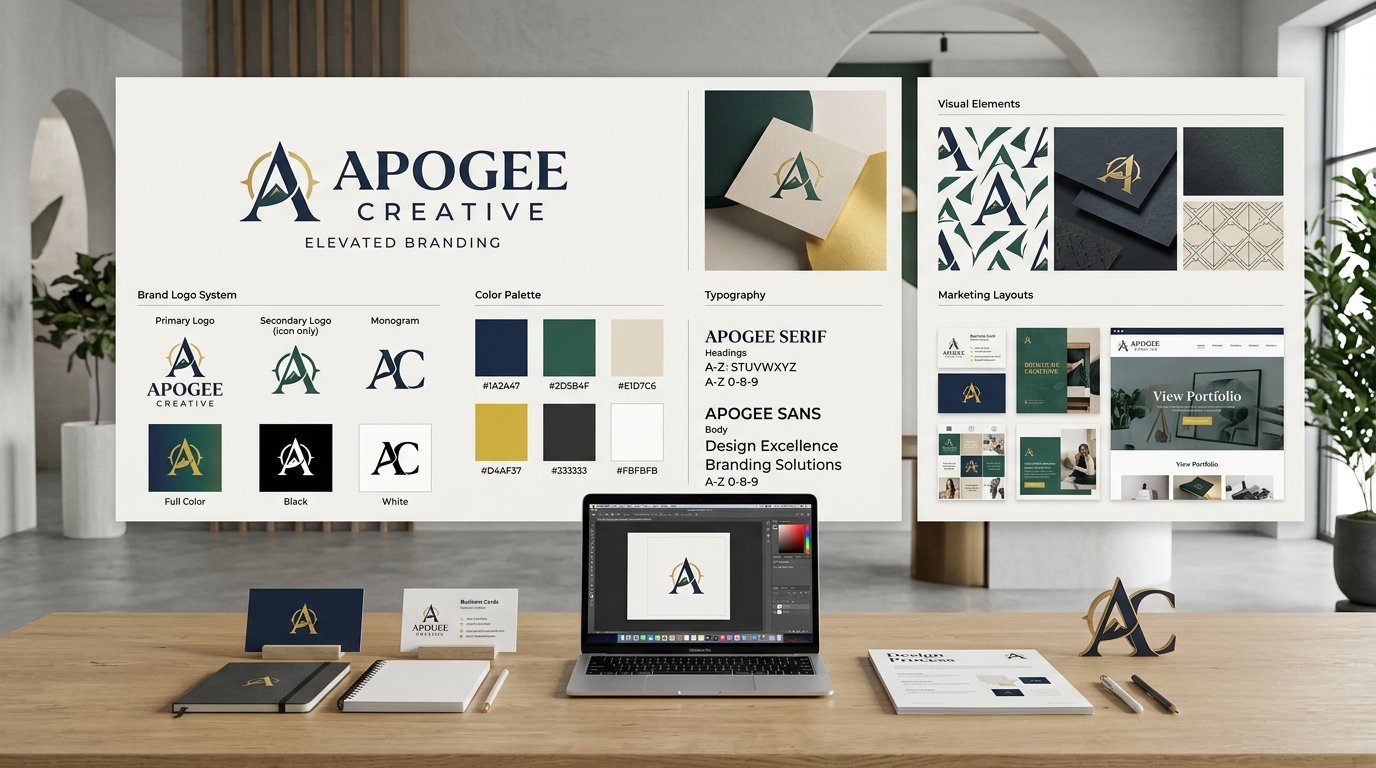
Visual identity encompasses all the visible elements that represent your brand to the world. It is the aesthetic language of your business. More than just a logo, a comprehensive visual identity includes typography, color palettes, imagery guidelines, iconography, and graphic elements. When these components are strategically aligned, they communicate your brand's core values, mission, and personality instantly and effectively to your target audience.
Visual Identity vs. Logo
A common misconception among business owners is equating a logo with their entire visual identity. While a logo is the central anchor—the absolute core identifying mark—it is only one piece of the puzzle. The visual identity is the complete system in which the logo lives. If your logo is the "face" of your company, the visual identity is the wardrobe, the posture, and the tone of voice.
Why Visual Identity Matters for Businesses
In a saturated digital marketplace, a strong visual identity is a critical differentiator. It builds immediate recognition, fosters customer trust, and conveys professionalism. A cohesive design system ensures that whether a customer encounters your business on a social media post, a printed brochure, or your website, they receive a consistent, high-quality brand experience.
The Building Blocks of a Visual Identity
The Logo System
A robust visual identity requires a flexible logo system, not just a single graphic. This typically includes a primary logo, a secondary (often horizontal or stacked) variation, a submark or icon (for social media avatars), and rules for clear space and minimum sizing.
Brand Colors
Color psychology plays a massive role in consumer perception. Your color palette should evoke the specific emotions tied to your brand's archetype. A professional palette usually consists of one or two primary brand colors, supported by secondary complementary colors and neutral tones (like whites, grays, and blacks) for balance.
Typography
Typography is the art of arranging text. The fonts you choose speak volumes about your brand's personality—a traditional serif font communicates heritage and authority, while a sleek sans-serif implies modernity and innovation. Establishing a primary font for headings and a highly legible secondary font for body copy is essential for brand consistency.
Photography and Imagery
The style of photography you use must be deliberate. Are your brand images bright and highly saturated, or moody and desaturated? Do you use candid lifestyle shots, or stylized studio photography? Establishing strict guidelines for imagery ensures your marketing materials never look disjointed.
Graphic Elements and Iconography
Custom patterns, background textures, and a unified style for iconography add depth and uniqueness to your brand. These elements support the primary design and can make your marketing materials recognizable even when the logo isn't present.
Layout and Design Consistency
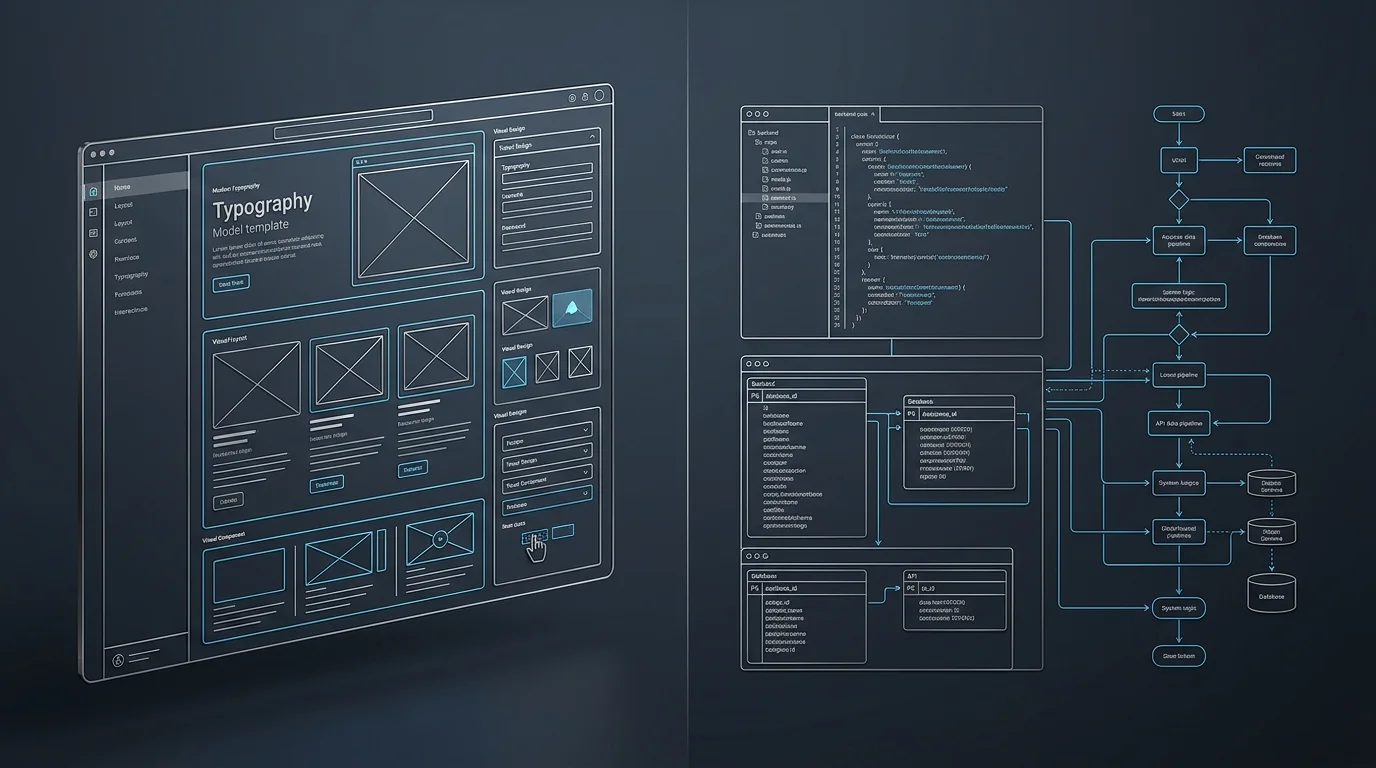
The way elements are arranged on a page or screen—the use of whitespace, alignment, and visual hierarchy—is a crucial part of your visual identity. Consistent layout principles make your content easier to consume and reinforce a sense of organized professionalism.
Applying Your Visual Identity
Website Visual Identity
Your website is your digital headquarters. The visual identity must dictate the UI design, button styles, hover states, and structural layout. A disjointed transition from your brand's marketing materials to its website creates friction and erodes trust.
Social Media Branding
Social media requires constant content creation. Having a strong visual identity with pre-designed templates ensures that every post feels "on-brand," creating a cohesive and aesthetically pleasing feed that attracts followers and builds brand equity.
Marketing Materials
From business cards and letterheads to digital ad banners and email newsletters, every piece of collateral must rigidly adhere to your visual identity guidelines to maximize brand recall.
Creating Brand Guidelines
A brand guidelines document (or brand book) is the rulebook for your visual identity. It dictates exactly how your logo, colors, typography, and imagery should—and shouldn't—be used. This document is vital for ensuring that internal teams, external agencies, and printers all execute your brand flawlessly.
Maintaining Consistency Across Platforms
Consistency is the secret to brand recognition. To maintain it, businesses must enforce their brand guidelines strictly, centralize access to official design assets, and ensure that all content creators are trained on the visual identity parameters.
Common Visual Identity Mistakes
- Following Short-Lived Trends: Designing an identity based on a fad that will look dated in two years.
- Lack of Versatility: Having a complex logo that becomes illegible when scaled down for a mobile app icon.
- Inconsistency: Using off-brand colors or unapproved fonts "just this once."
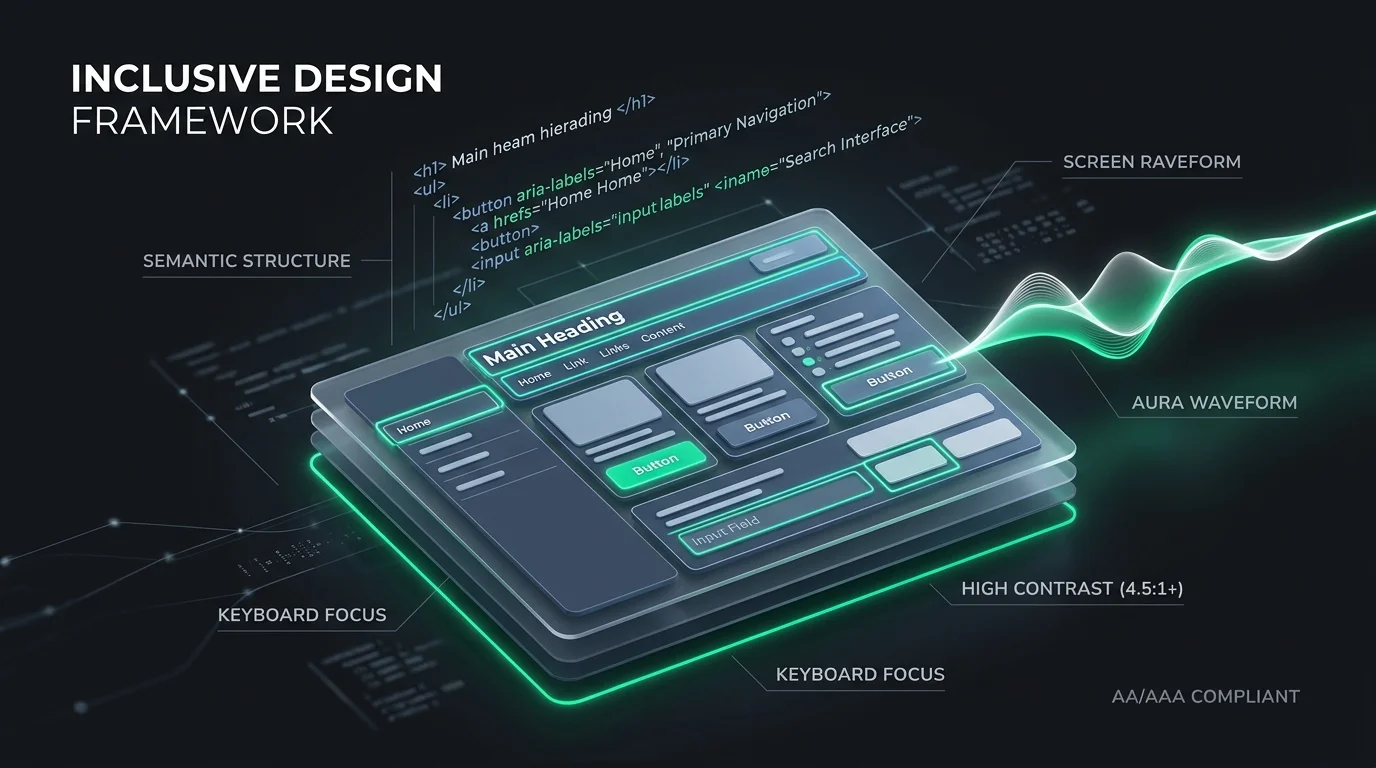
- Ignoring Accessibility: Choosing brand colors with insufficient contrast, making text difficult to read.
How Professional Graphic Design Helps
Building a robust, scalable visual identity is complex. It requires an understanding of color theory, typography, scalable vector graphics, and brand strategy. Partnering with a professional creative design agency ensures that your visual identity is built on a solid foundation, designed for longevity, and perfectly aligned with your business goals.
A Practical Visual Identity Checklist
- Do you have a responsive logo system (primary, secondary, icon)?
- Is your color palette defined with exact HEX, RGB, and CMYK values?
- Have you selected and licensed your primary and secondary brand fonts?
- Do you have a defined photography style or custom image library?
- Is all of this documented in a comprehensive brand guidelines PDF?
Conclusion
Your visual identity is an investment in your business's future. It is the silent ambassador of your brand, working 24/7 to build trust, communicate your value, and distinguish you from the competition. By systematically building and rigorously maintaining your visual elements, you create a powerful brand that resonates deeply with your audience.
Frequently Asked Questions (FAQ)
Can I build a visual identity myself?
While DIY tools exist, creating a truly unique, scalable, and professional visual identity requires a deep understanding of design principles and brand strategy that typically requires professional expertise.
How often should a business update its visual identity?
A well-designed visual identity should last 5 to 10 years. However, businesses should consider a refresh if they significantly pivot their target audience, outgrow their original market, or if their current design looks undeniably outdated.
Why are brand guidelines so important?
Without guidelines, your brand will slowly dilute as different employees or external contractors interpret your brand differently. Guidelines ensure strict consistency, which is the cornerstone of brand recognition.
Transform Your Brand's PerceptionReady to build a visual identity that commands attention and drives growth? The creative experts at Digitons Development are here to help. Contact us today to start your branding journey.
Ready to turn these ideas into results?
Let's discuss how tailored digital marketing, custom web engineering, and targeted SEO can accelerate your business goals.