Visual communication in 2026 is evolving at a remarkable pace. As digital platforms become more saturated and consumer attention spans shorten, generic templates and homogenized corporate aesthetics are no longer effective. Modern audiences demand authenticity, emotional resonance, and visual distinction. For businesses, staying informed about contemporary graphic design trends is not about chasing fleeting stylistic fads—it is about understanding how visual language shapes brand perception, customer trust, and market authority.
A well-executed visual identity bridges the gap between what a company stands for and how the world perceives it. By thoughtfully integrating modern design principles into branding, marketing collateral, and digital interfaces, businesses can differentiate themselves from competitors and build memorable connections with their target audience.
Why Graphic Design Trends Matter for Modern Businesses
Design trends reflect broader cultural, technological, and behavioral shifts. In 2026, advances in high-resolution display technology, variable typography, motion design engines, and generative creative tools have unlocked new visual possibilities. Understanding these movements enables business owners and marketing leaders to:
- Prevent Brand Stagnation: Visual identities that remain unchanged for a decade risk signaling obsolescence. Subtle, intentional visual refreshes keep brands relevant and engaging.
- Improve Communication Clarity: Modern design trends prioritize scannability, accessibility, and intuitive information hierarchy, making complex value propositions easy to digest.
- Increase Marketing ROI: Distinctive, high-impact creative assets achieve higher engagement rates across digital advertising, social media feeds, and physical marketing materials.
1. Intentional Minimalism and Functional Simplicity
While minimalism has been a design staple for years, 2026 marks a shift toward intentional minimalism. Rather than stripping away elements merely for the sake of starkness, intentional minimalism focuses on functional clarity, generous negative space, and deliberate focal points.
Businesses are moving away from visual clutter and unnecessary decorative ornamentation in favor of clean layouts, bold color blocks, and structured grids. This approach ensures that the core marketing message, product benefits, and calls-to-action remain the undisputed center of attention.
2. Expressive and Custom Variable Typography
Typography is no longer just a vessel for text; in 2026, it is a primary brand asset and emotive graphic element. Brands are increasingly moving away from overused, generic sans-serif fonts toward custom, expressive variable typography.
Key typographic trends include:
- High-Contrast Serif & Sans Pairings: Combining editorial serif headlines with ultra-clean geometric body copy to evoke sophistication and modern authority.
- Kinetic & Variable Letterforms: Typefaces that subtly adapt their weight, width, and optical sizing dynamically across screen sizes and interactive states.
- Bold Headline Hero Blocks: Using oversized, distinctive typographic lockups as standalone hero visuals on landing pages and brand campaigns.
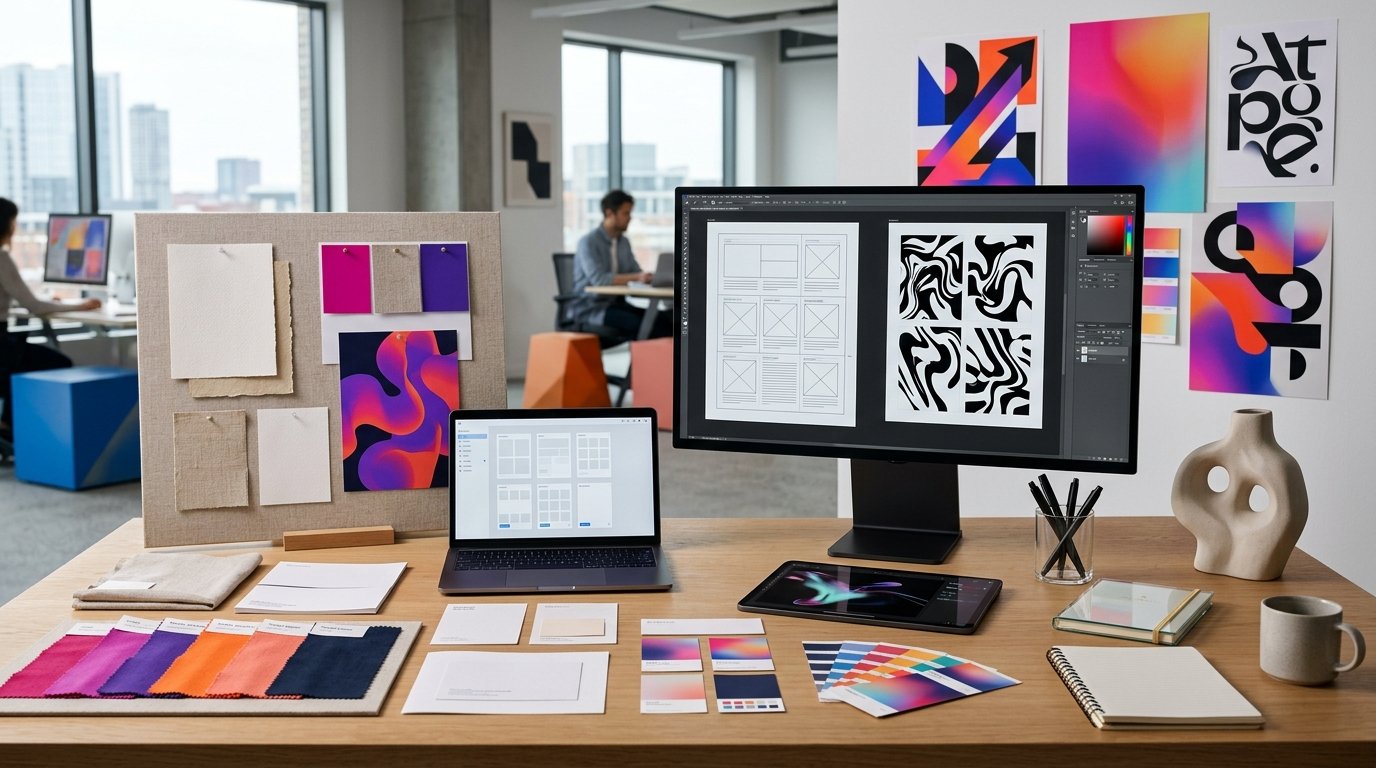
3. Bold, Distinctive Visual Systems and Rich Color Palettes
The era of muted, washed-out pastels and generic corporate blue is giving way to vibrant, high-energy palettes. In 2026, forward-thinking brands are adopting dynamic color pairings—such as deep cosmic navies accented with vibrant magenta, radiant purple, and warm amber orange.
These rich color systems create striking contrast, allowing marketing materials to stand out instantly in crowded digital environments. Professional creative graphic design services help businesses construct tailored color palettes that evoke specific psychological responses while maintaining strict WCAG contrast compliance.
4. Authentic Photography vs. Synthetic Generic Stock
Consumers in 2026 have developed acute visual fatigue toward generic stock photos depicting sterile office meetings or synthetic, ungrounded AI imagery. Authentic, human-centric photography has become a powerful competitive differentiator.
Leading visual identities emphasize real workplace photography, genuine team interactions, candid product usage, and editorial-style portraiture. When custom photography is paired with bespoke graphic overlays or branded framing devices, it establishes unshakeable credibility and brand transparency.
5. Motion Design and Micro-Animations
Static graphics are increasingly giving way to dynamic, motion-first brand assets. Micro-animations, animated logos, scrolling transitions, and interactive infographics bring digital experiences to life.
Effective motion design serves functional purposes:
- Guiding User Attention: Subtle directional animations draw the eye toward key conversion actions, navigation elements, or headline claims.
- Enhancing Brand Personality: The cadence, bounce, and fluidity of motion curves reinforce brand attributes—such as playful energetic movement or smooth, premium restraint.
- Increasing Social Media Engagement: Short-form animated snippets and kinetic typography consistently outperform static images across digital feeds.
6. Digital-First Brand Identity Systems
Historically, brand identities were designed primarily for print applications (letterheads, business cards, billboards) and then adapted for digital screens as an afterthought. In 2026, brand design is strictly digital-first.
A digital-first visual system is engineered specifically for dynamic viewports, dark mode interfaces, app icons, favicons, smartwatch screens, and high-DPI retina displays. It ensures that logos scale gracefully down to 16x16 pixels without losing legibility, while maintaining stunning resolution on 4K digital billboards.
7. Modular and Flexible Design Systems
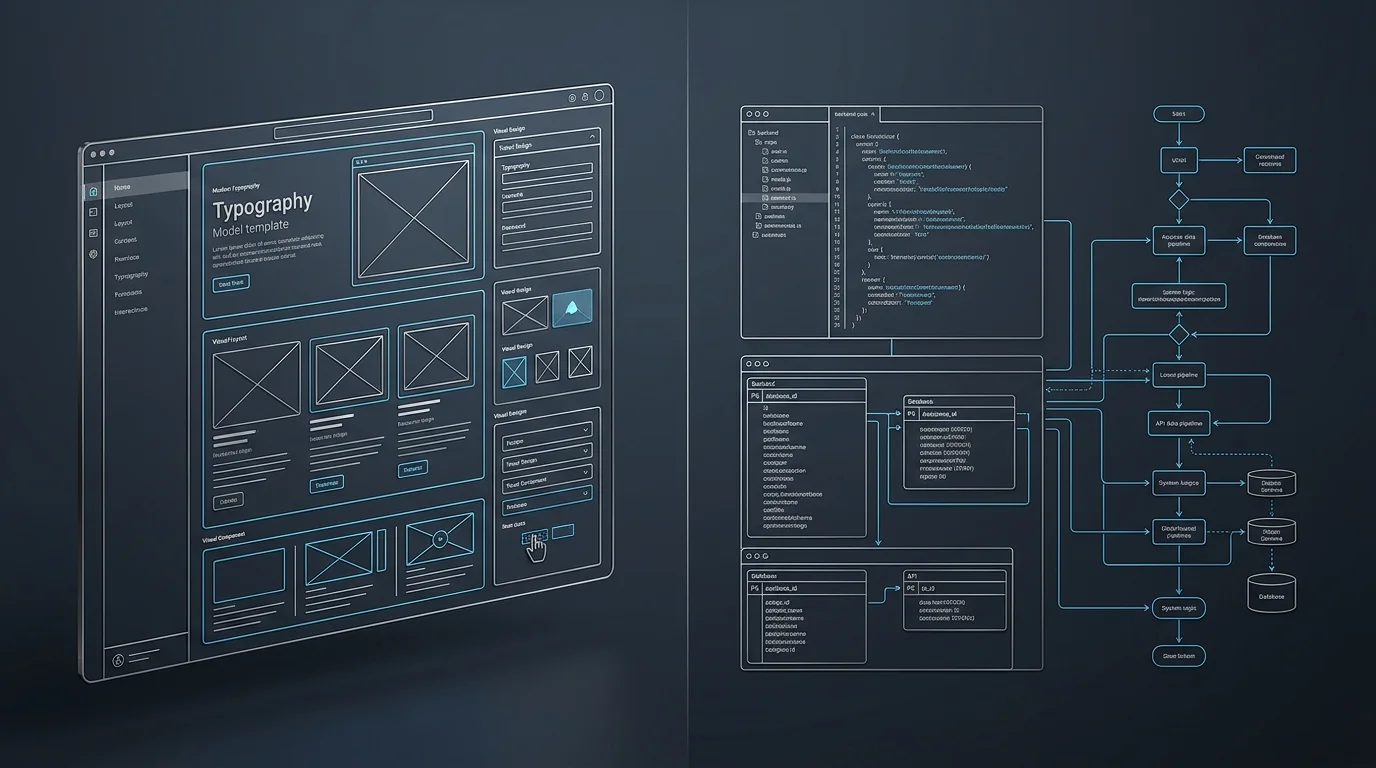
As businesses publish content across an ever-growing array of channels—websites, mobile apps, email newsletters, digital decks, and social media—maintaining visual consistency through ad-hoc design files becomes impossible. In 2026, companies rely on modular design systems and centralized component libraries.
By establishing standardized tokens for typography, spacing scales, color ramps, icon grids, and card components, marketing teams can produce cohesive on-brand assets at scale in a fraction of the time. This seamless continuity is especially critical when translating brand assets into responsive website design.
8. AI-Assisted Creative Workflows with Human Direction
Artificial intelligence has transformed creative production in 2026, but not by replacing human designers. Instead, AI serves as an ideation partner, rapid prototyping engine, and workflow accelerator.
Professional design agencies leverage AI tools for background extension, complex texture generation, compositional exploration, and batch resizing. However, brand strategy, artistic nuance, emotional resonance, typography selection, and final creative governance remain strictly human-driven disciplines.
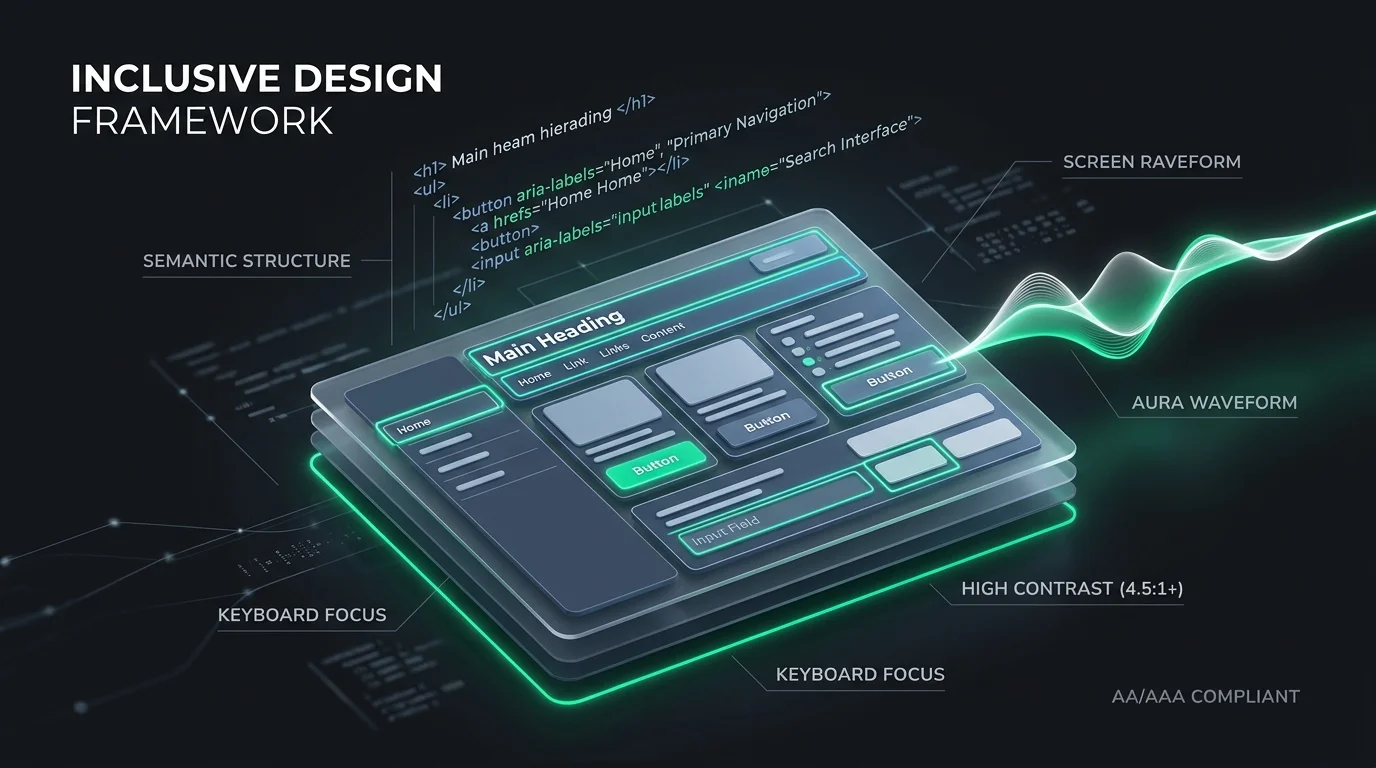
9. Accessibility and Inclusive Visual Design
Accessibility is no longer treated as an optional checkbox; it is a foundational pillar of modern graphic design. Accessible design ensures that visual communication is clear and legible for all users, including those with visual impairments, color blindness, or situational limitations.
Best practices for inclusive design in 2026 include:
- Maintaining a minimum 4.5:1 color contrast ratio for standard body text and 3:1 for large display headlines.
- Avoiding color as the sole indicator of meaning (pairing colors with icons, labels, or patterns).
- Ensuring generous line heights and readable font sizes across mobile layouts.
- Designing clear visual focus indicators for interactive keyboard navigation.
10. Tailoring Visuals for Social Media and Digital Platforms
Visual content must be optimized for the specific context and mechanics of each distribution platform. A creative asset that performs well on a corporate LinkedIn carousel requires a completely different compositional rhythm than a fast-paced Instagram Reel or X thread.
Strategic social media optimization and branding ensures your visual identity maintains consistent color harmony, typography rules, and logo placement across multi-channel campaigns while adapting aspect ratios and storytelling formats to each platform’s unique audience behavior.
Balancing Trends with Long-Term Brand Consistency
One of the most common pitfalls businesses face is adopting every emerging design trend indiscriminately. Chasing every trend leads to visual incoherence and dilutes brand equity.
The golden rule of brand governance is the 80/20 principle:
- 80% Core Brand Foundation: Your primary logo, core color palette, brand values, and foundational typography should remain stable, timeless, and protected.
- 20% Campaign Adaptability: Marketing campaigns, seasonal promotions, social graphics, and event collateral provide the sandbox where contemporary trends, secondary color accents, and experimental layouts can be safely explored.
Design Trends Businesses Should Avoid in 2026
Not all popular visual trends are suitable for commercial business applications. Trends to approach with extreme caution include:
- Overly Complex Neomorphism & Skeuomorphism: Dense drop shadows and low-contrast soft bevels frequently fail accessibility standards and create visual fatigue.
- Illegible Distorted Grunge Typography: While popular in counter-culture fashion, heavily distorted letterforms destroy readability in commercial B2B and consumer services.
- Uncurated Synthetic AI Illustrations: Low-effort, surreal AI imagery with warped anatomy or nonsensical artifacts immediately damages customer trust.
A Practical 2026 Graphic Design Checklist for Businesses
Use this evaluation checklist to review your current brand assets and marketing materials:
- Audit your logo and brand assets across light mode, dark mode, and small mobile screen sizes.
- Verify that your primary and secondary color combinations meet WCAG AA accessibility contrast ratios.
- Consolidate font usage to 2–3 cohesive type families with clear hierarchy guidelines.
- Replace generic, outdated stock photos with authentic team and workplace imagery.
- Create reusable, component-based social media and marketing templates.
- Incorporate subtle motion and animated micro-interactions into key digital touchpoints.
- Document visual guidelines in a centralized brand style guide accessible to all team members.
Frequently Asked Questions (FAQ)
How often should a business update its graphic design and visual branding?
Core brand identities should be evaluated every 3 to 5 years for minor refinements, while major rebranding typically occurs every 7 to 10 years or during significant business pivots, mergers, or market expansions.
What is the difference between a logo and a visual identity?
A logo is a single graphic mark or signature that identifies a company. A visual identity is the complete visual ecosystem—encompassing color palettes, typography, imagery styles, layout grids, motion rules, and graphic elements that work together across all brand touchpoints.
Can following design trends hurt a brand’s credibility?
Yes, if trends are adopted blindly without aligning with your brand’s core values, target audience, and industry context. Trends should always be filtered through your brand’s authentic positioning.
Why is digital-first branding important for non-tech businesses?
Even traditional brick-and-mortar businesses now interact with customers predominantly through digital channels—including smartphones, websites, social feeds, and digital ads. Digital-first assets guarantee crisp, professional presentation on every screen.
How do professional design services ensure brand consistency?
Professional agencies develop comprehensive brand guidelines, design systems, and modular asset libraries with defined usage rules, ensuring that internal teams and external partners maintain visual cohesion across all channels.
Conclusion and Next Steps
In 2026, exceptional graphic design is a powerful commercial lever. It shapes initial impressions, articulates complex ideas with clarity, and builds long-term customer loyalty. By embracing intentional minimalism, expressive typography, authentic imagery, and accessible digital-first systems, your business can project authority and stand out in any competitive landscape.
Elevate your brand presence with Digitons Development. From bespoke visual identity design and corporate branding to custom marketing collateral and digital design systems, our creative team helps your business make an indelible visual impact.
Ready to turn these ideas into results?
Let's discuss how tailored digital marketing, custom web engineering, and targeted SEO can accelerate your business goals.